
Reversibility, regulation, and the community of development: the legacy of Sir John B. Gurdon
Richard P. Halley-Stott, Eva Hörmanseder, Jerome Jullien & Vincent Pasque
Nat Commun 16, 10899 (2025). https://doi.org/10.1038/s41467-025-67023-w
Published: 04 December 2025
Click here to view article at Nature Communications.
Click here to download article pdf.
Abstract
John B. Gurdon approached biology with characteristic clarity and patience, asking not only what happens in development, but how much of a molecule is present, and for how long. His nuclear-transfer experiments revealed that cellular identity is not fixed but can be reset, reshaping both biology and medicine. Through studies of oocytes, translational control, and the community effect, he showed that stability in living systems arises from persistence and interaction. His influence reached far beyond the bench: through generosity and curiosity, he nurtured a community of scientists who, like their mentor, enjoy asking how a cell knows what to be.
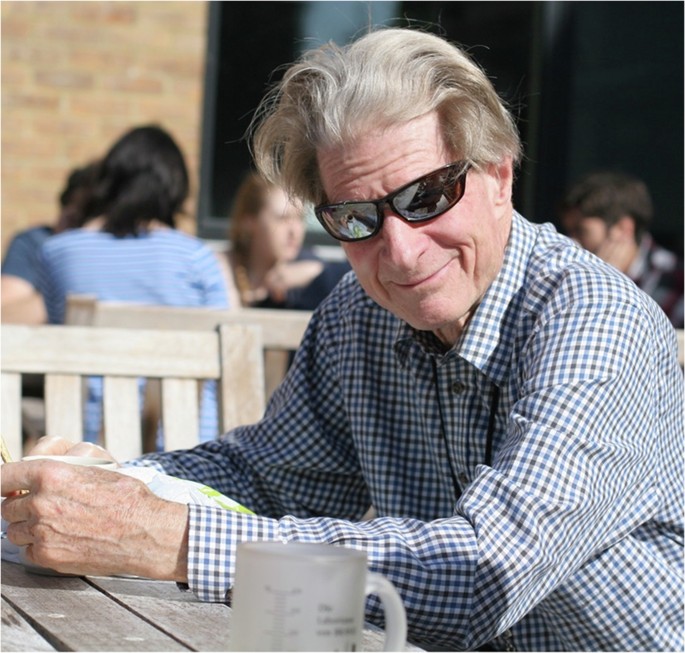
Fig. 1: Teatime with John Gurdon in the garden of the Gurdon Institute. Summer 2015.
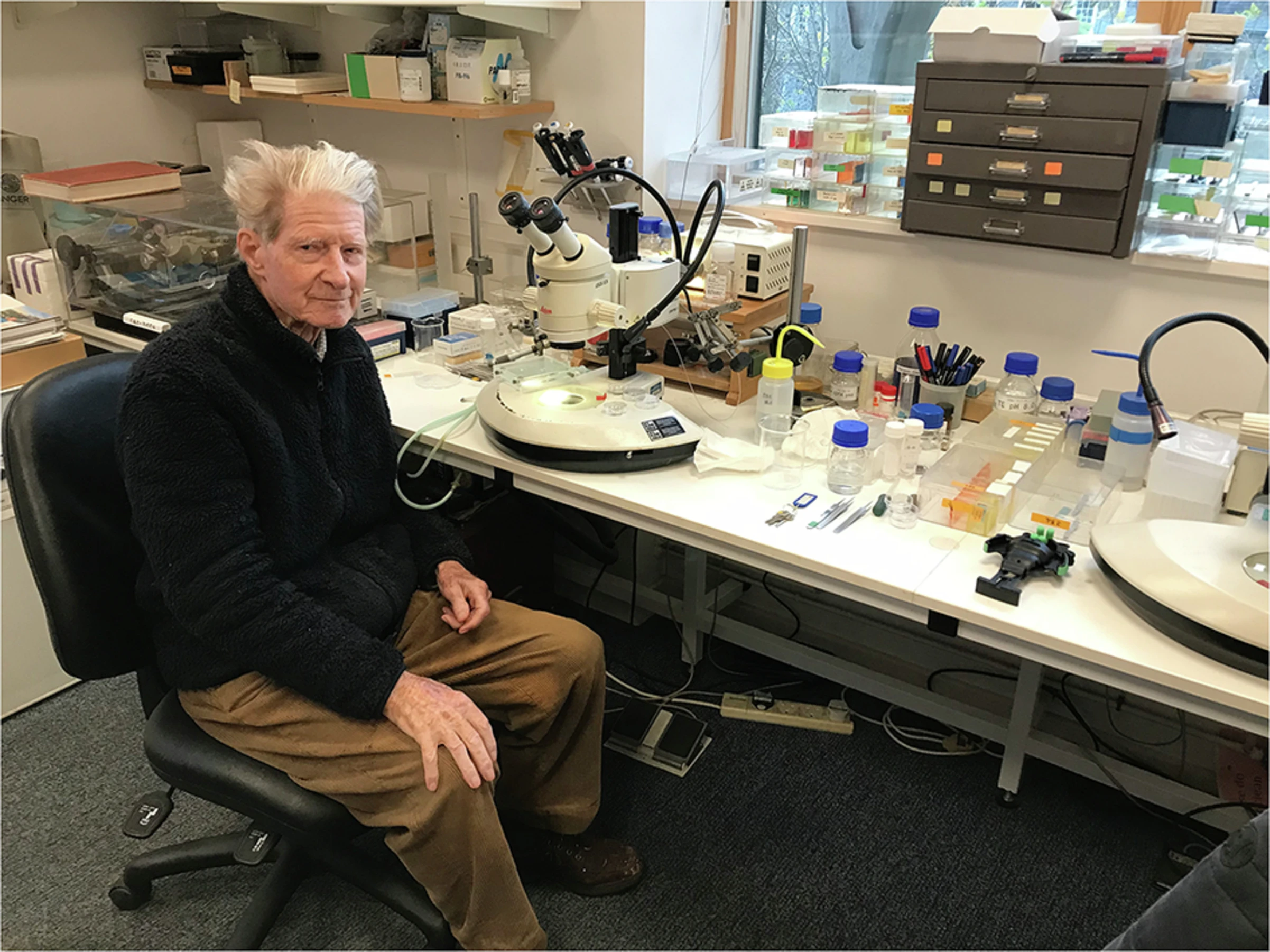
Fig. 2: John at his microscope in his office, where he performed nuclear transfer. A second station was set up for use by his colleagues. In the background, the needle polishing equipment can be seen. Most tools were fashioned by hand, often repurposing tools from a hardware store. November 2022.
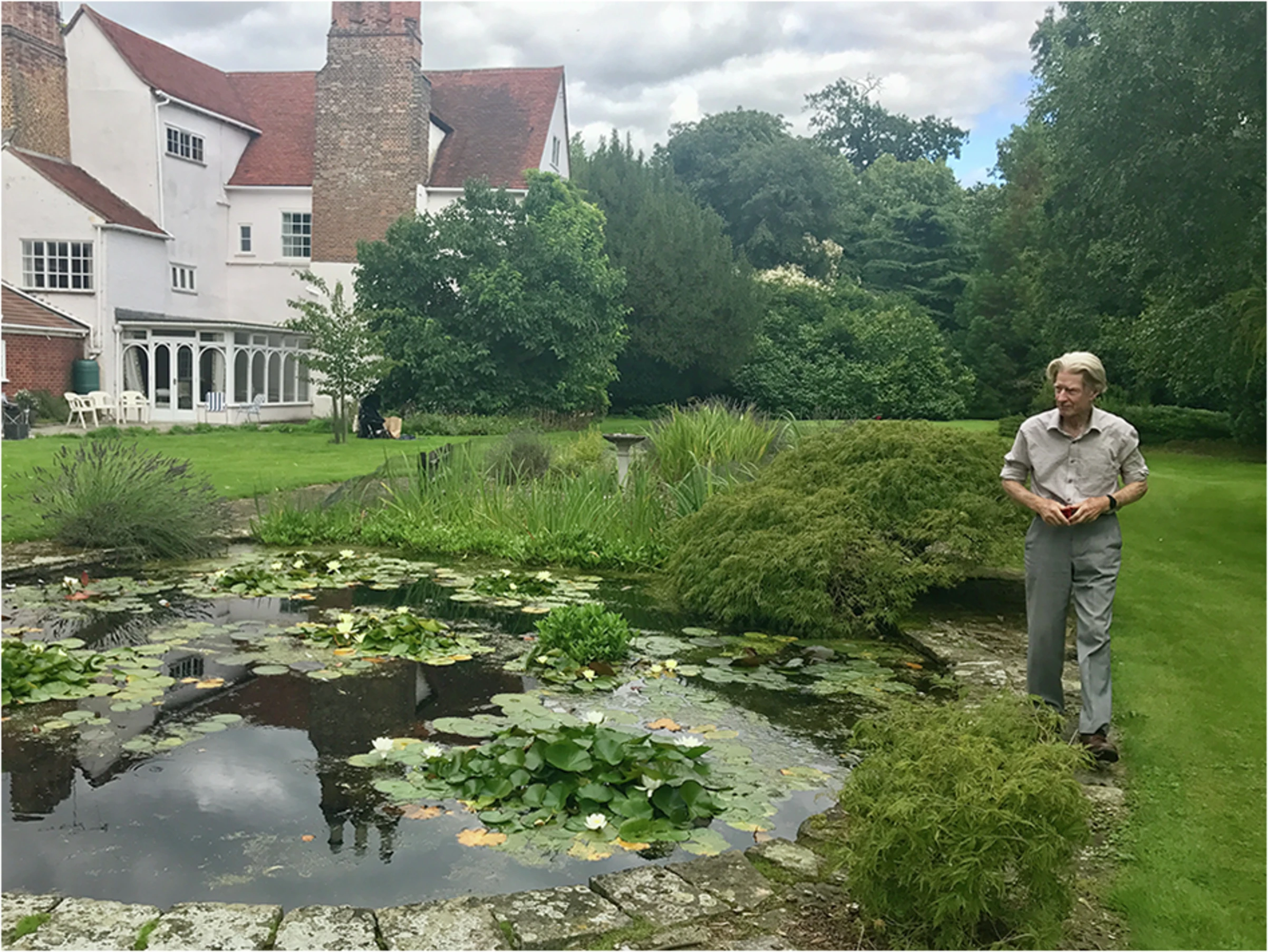
Fig. 3: John in his garden at the pond during a lab lunch. Summer 2017.
Adapted with permission from Springer Nature on behalf of Nature Communications: Halley-Stott, R.P., Hörmanseder, E., Jullien, J. et al. Reversibility, regulation, and the community of development: the legacy of Sir John B. Gurdon. Nat Commun 16, 10899 (2025). https://doi.org/10.1038/s41467-025-67023-w
This work is licensed under a Creative Commons Attribution 4.0 International License. The images or other third party material in this article are included in the article’s Creative Commons license, unless indicated otherwise in the credit line; if the material is not included under the Creative Commons license, users will need to obtain permission from the license holder to reproduce the material. To view a copy of this license, visit http://creativecommons.org/licenses/by/4.0/
Last Updated: 2025-12-11